
Laser Welding Machines & Arc Welding Cells
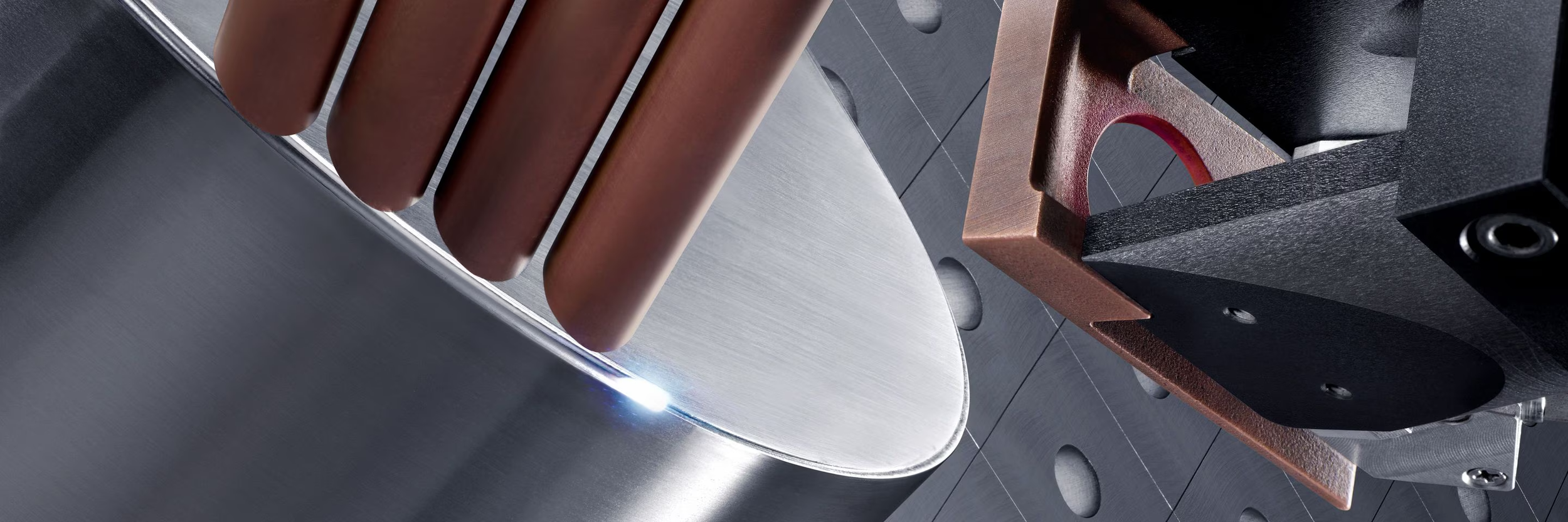
TRUMPF laser welding systems represent a fundamental shift in metal fabrication, delivering speeds up to 10 times faster than traditional arc welding. By utilizing a highly concentrated light beam, these machines create deep, narrow seams with minimal heat input, virtually eliminating the warping and post-weld grinding common with TIG or MIG processes.
Whether you are joining high-conductivity materials like copper and aluminum or looking to automate standard sheet metal components, Maintecx provides the expertise to integrate TRUMPF technology into your workflow.
Explore Our TRUMPF Laser Welding System Machines

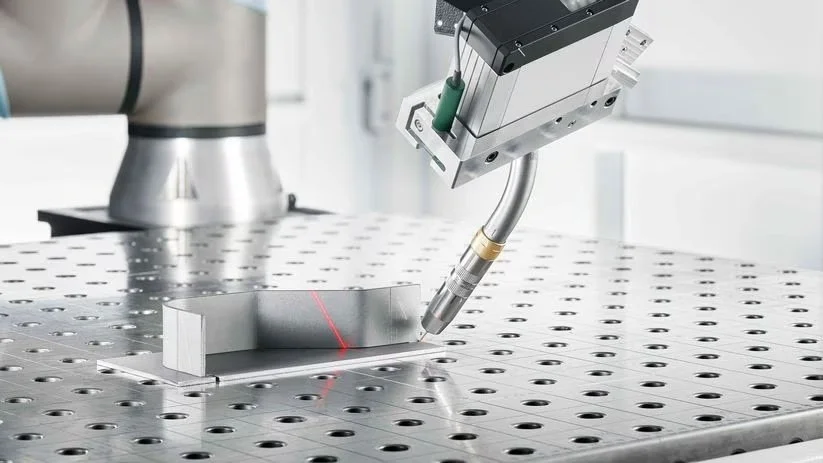
The TruArc Weld 1000 is the perfect entry point for shops looking to transition from a manual to an automated arc welder machine. This collaborative robotic cell is profitable even for small batch sizes and can be programmed in minutes.

Engineered for the continuous, endless welding of tubes, profiles, and strips. This beam guidance system is designed for easy integration into existing production lines, providing high-speed linear or swivel-axis processing.
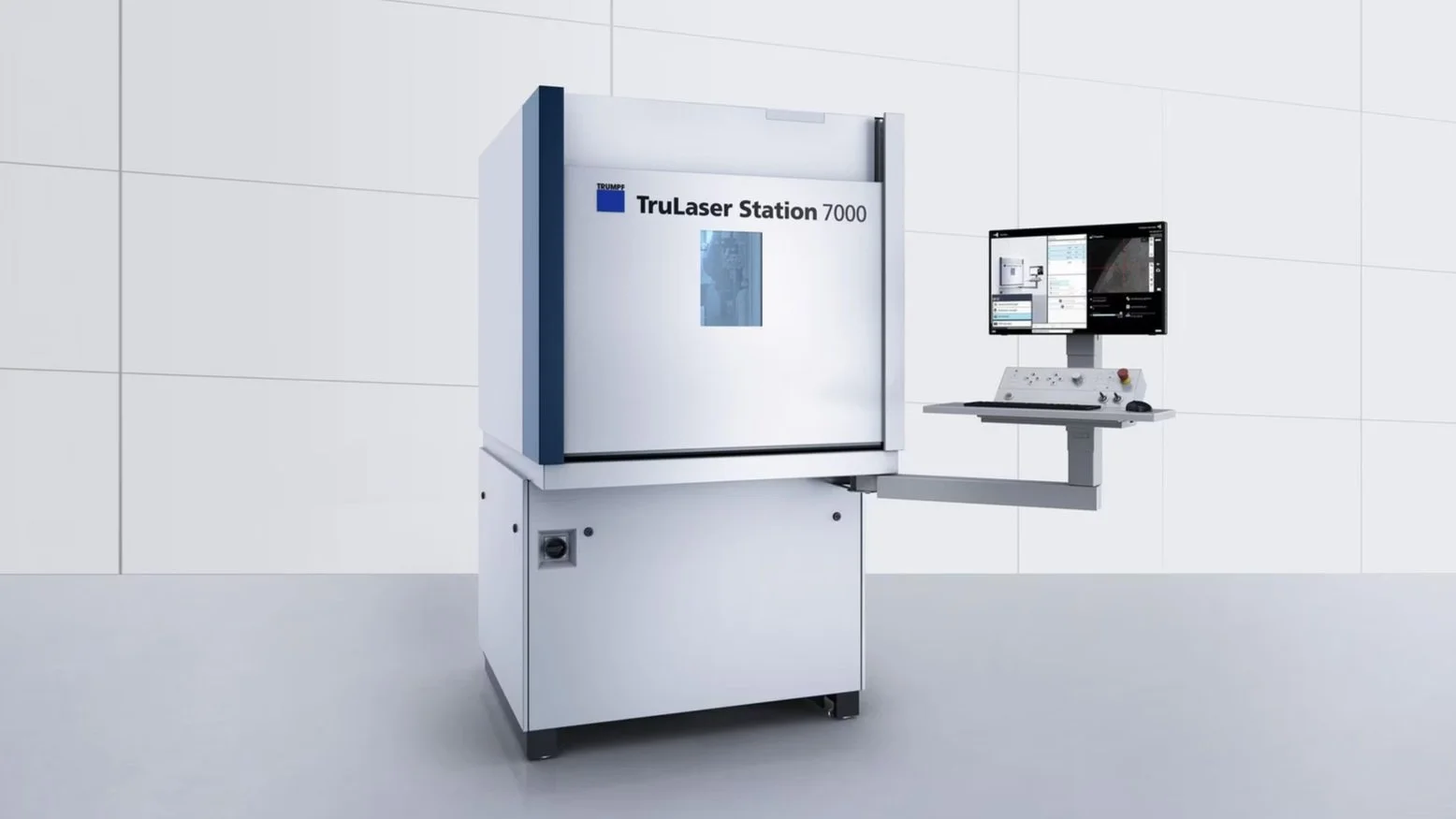
The smallest fully equipped 3D laser welding system in the TRUMPF portfolio. It’s optimized for medical instruments, sensors, and complex electronics where high precision and a small machine footprint are critical.
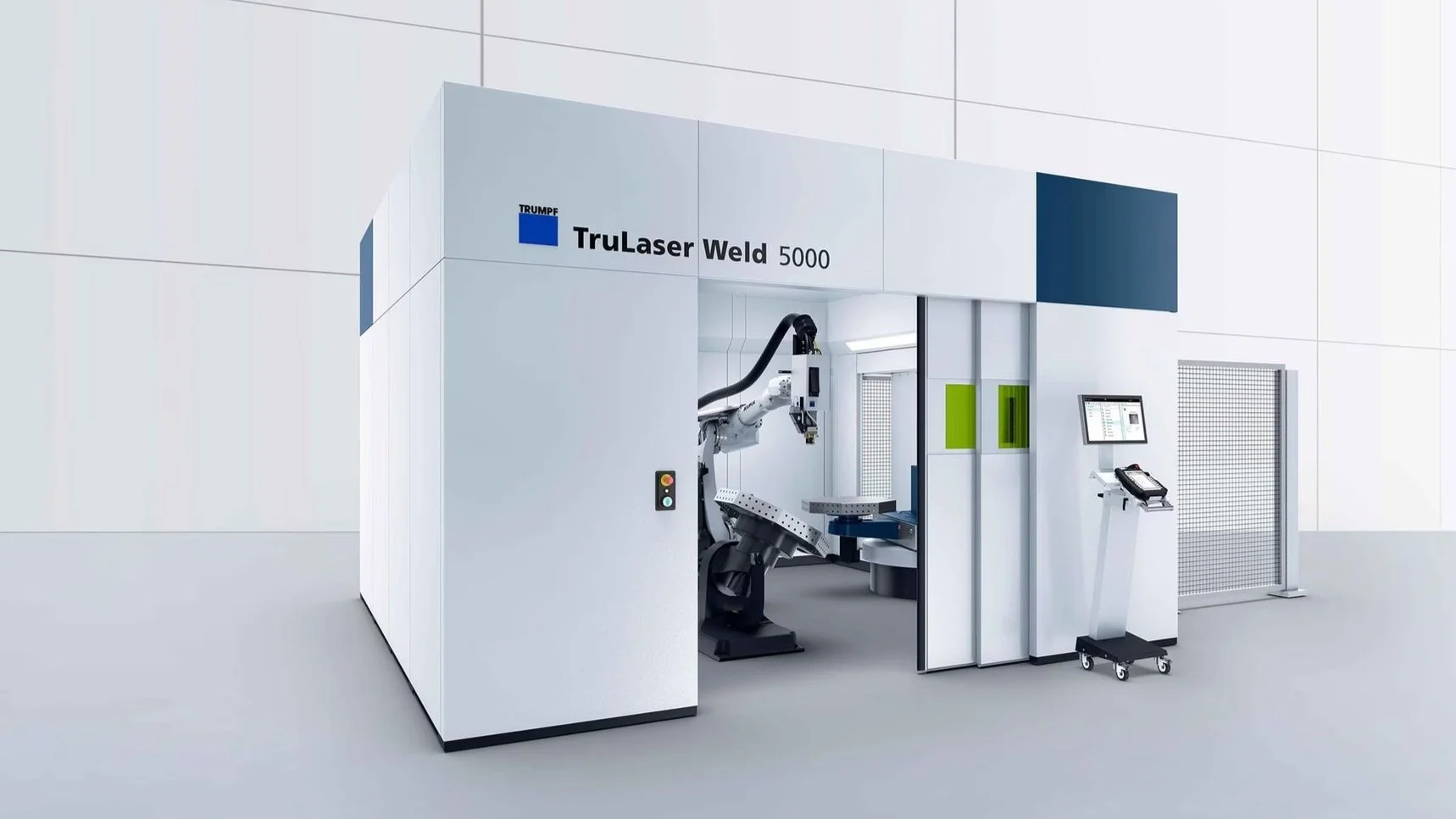
The TruLaser Weld 5000 is a complete, turnkey system that offers the ultimate flexibility in automated laser welding. With the FusionLine feature, you can bridge gaps up to 1mm, allowing you to laser weld parts that weren't originally optimized for the process.
Why Choose Laser Welding Over Traditional Methods?
As manufacturers face a growing shortage of skilled welders, automated laser systems offer a path to higher quality and lower costs.
Minimal Heat Distortion: The concentrated laser beam limits the heat-affected zone (HAZ), preserving part geometry and reducing the need for straightening.
Superior Aesthetics: Laser-welded seams are often invisible and require zero post-process polishing or grinding.
High-Speed Throughput: Industrial laser welders can reach speeds of 165 mm/sec, significantly outperforming manual welding.
Versatility: Weld stainless steel, aluminum, copper, and dissimilar metals with a single system.
Safety & Reliability: Every TRUMPF system is a fully enclosed, TÜV-certified workstation with integrated exhaust and glare protection.
Choosing the Right TRUMPF Welding Solution
Selecting the ideal welding system depends on your part geometry, material thickness, and production volume. Use the following guide to identify which TRUMPF technology aligns with your shop’s goals.
Laser Welding vs. Automated Arc Welding
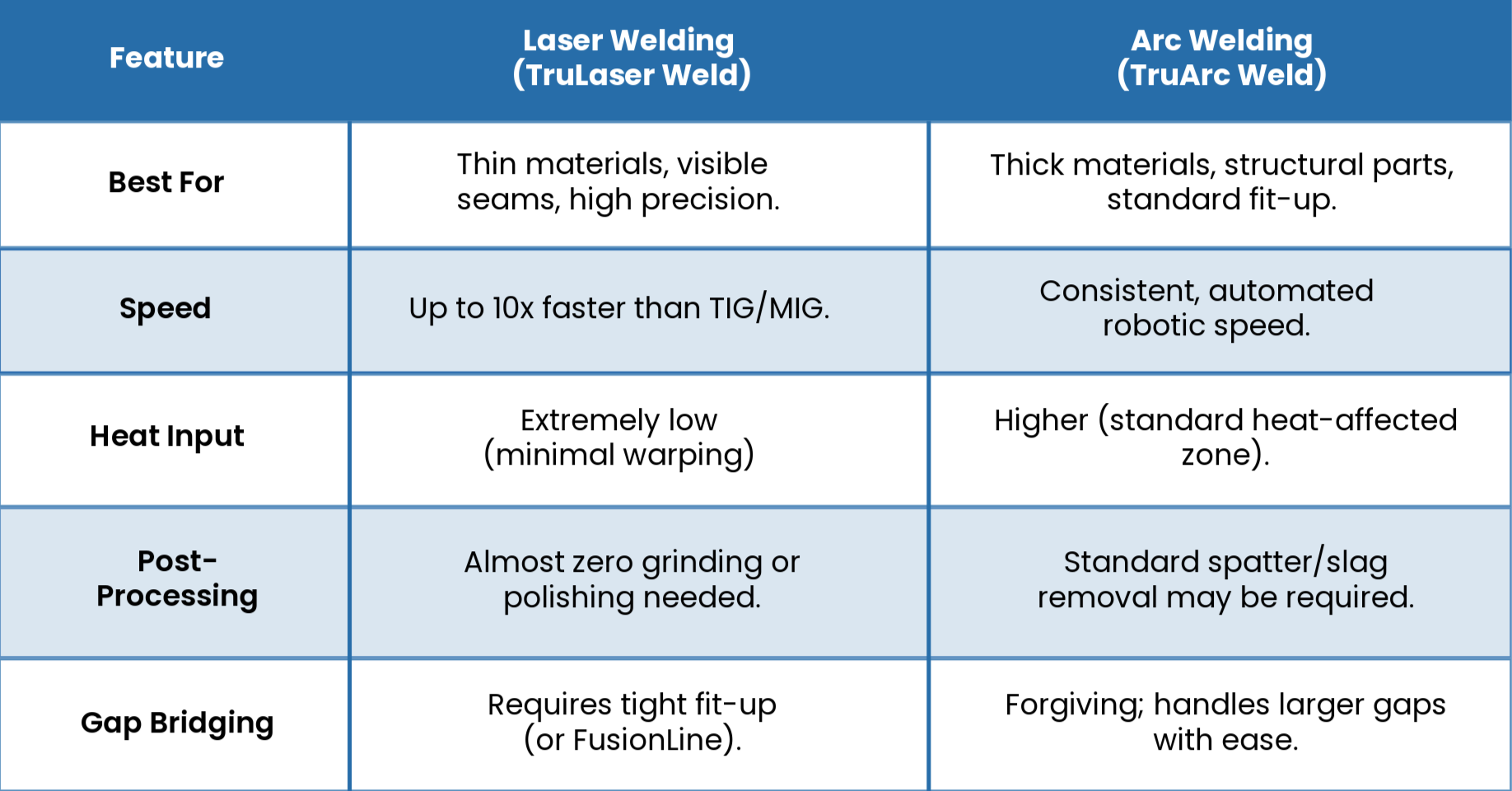
While both systems offer significant advantages over manual welding, they excel in different areas:
Which Laser Welding Machine is Right for You?
For High-Volume Automotive & Enclosures: Choose the TruLaser Weld 5000. Its ability to switch between heat conduction and deep-penetration welding makes it the gold standard for complex, high-output production.
For Small-to-Medium Job Shops: Choose the TruArc Weld 1000. If you currently rely on manual welders for mild steel or stainless steel parts, this collaborative cell lets you automate quickly with a low initial investment and no robotics experience.
For Precision Medical & Electronics: Choose the TruLaser Station 7000. Its compact footprint and integrated image processing are designed for the microscopic precision required for sensors, medical devices, and delicate 3D assemblies.
For Continuous Profiles & Tubes: Choose the TruLaser Cell Series 1000. This is the specialized solution for linear, high-speed welding of endless strips or tube geometries.
Need a technical evaluation of your laser welding? Talk to a Maintecx expert
FAQs About Automated Laser Welding Machines
-
Yes. Because laser welding allows for deep penetration with a very narrow seam, it often produces a joint that is structurally superior to traditional methods while using less energy and material.
-
Historically, yes. However, TRUMPF’s FusionLine technology allows the machine to bridge gaps of up to 1mm, making laser welding accessible even for parts with less-than-perfect tolerances.
-
Systems like the TruArc Weld 1000 use collaborative robots (cobots) that you can lead by hand. You simply move the torch to the start and end points and save the position; programming is as easy as welding by hand, but with robotic repeatability.
-
Heat conduction welding creates smooth, visually appealing surface seams. Deep-penetration welding uses higher intensity to create a keyhole in the metal, resulting in incredibly strong, deep joints at high speeds.
Learn More About How Laser Welding Can Integrate Into Your Smart Factory
-

TRUMPF Smart Factory: A Future-Ready Production Environment